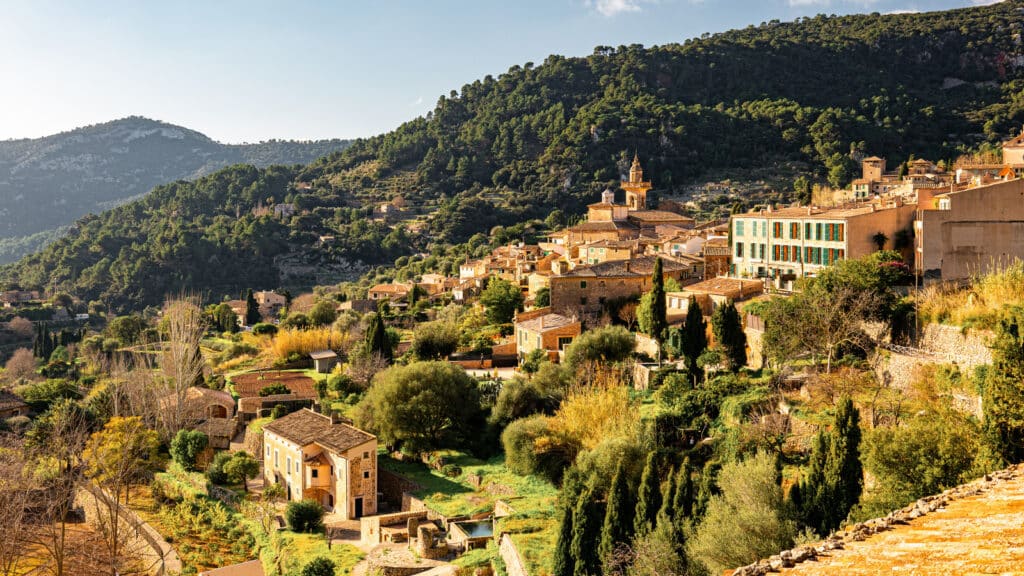
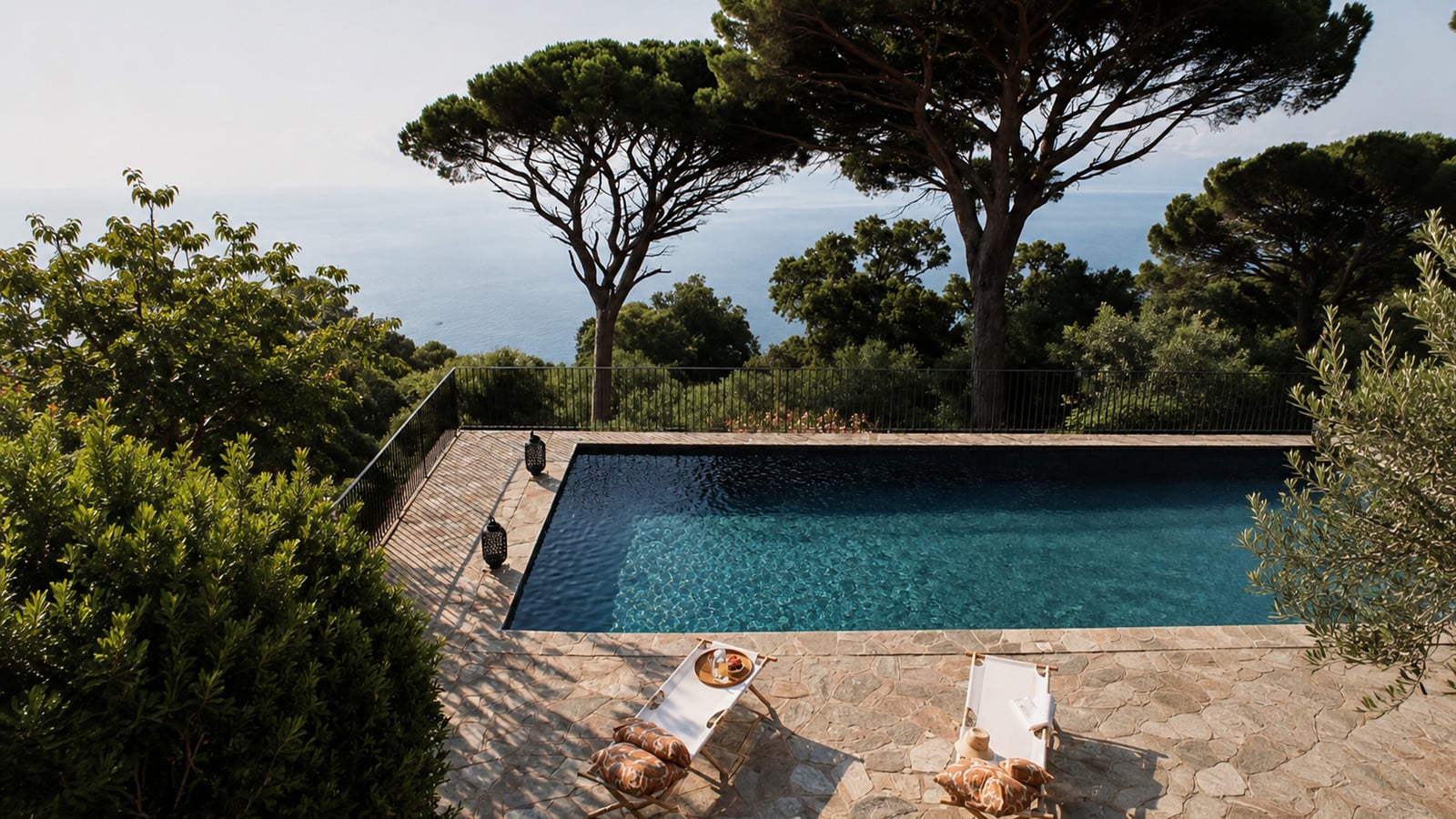
Mallorca in 2030 is emerging as a pivotal real estate market where strategic foresight intersects with sustainable growth, making it an exceptional proposition for investors with a long-term horizon. The island’s appeal transcends its current allure as a Mediterranean paradise; it is becoming a model of resilience, innovation, and lifestyle sophistication, crafted by both public policy and private sector dynamism. Forward-thinking family offices and institutional investors recognize that real estate decisions made today must embed a deep understanding of demographic shifts, climate imperatives, technological integration, and regulatory frameworks to ensure robust value appreciation and risk mitigation by 2030.
Infrastructure and energy
The Balearic government’s infrastructure and urban planning agenda is foundational to this vision. Palma’s ongoing expansion of its intermodal transport network is a case in point—connecting urban centers, suburban areas, and ports through an integrated system of electric buses, light rail, and cycling infrastructure. This is aligned with the European Union’s Green Deal objectives and the EU’s Cohesion Policy funding streams, which channel resources toward sustainable urban mobility and smart city projects across member states. Furthermore, the island-wide rollout of smart grids and renewable energy projects—spanning solar farms, wind energy, and battery storage solutions—places Mallorca at the forefront of energy transition in insular environments. These investments link with Spain’s National Integrated Energy and Climate Plan (PNIEC 2021-2030), which targets a 74% share of renewables in electricity consumption by 2030. Additionally, public-private partnerships have been instrumental in redeveloping strategic ports such as Alcúdia and Palma into green logistics hubs, supporting e-mobility initiatives and digital infrastructure that appeal to tech-savvy, eco-conscious buyers.
Environmental strategy
Mallorca’s environmental strategy further strengthen its investment case. Amid rising global temperatures and climate volatility, the island offers inherent microclimatic advantages—its coastal Mediterranean breezes moderate summer heat, while the Serra de Tramuntana mountain range provides cooler highland conditions, which are increasingly valued for their health and lifestyle benefits. Importantly, stringent land-use policies and overdevelopment restrictions—codified under the Balearic Territorial Plan—preserve natural landscapes and prevent urban sprawl, ensuring sustainable growth. This regulatory stance aligns with global ESG (Environmental Social and Governance) investing trends and reflects growing demand for green-certified assets. The luxury property market on the island is witnessing a surge in passive house standards and BREEAM certifications, resonating with international buyers who prioritize energy efficiency, reduced carbon footprints, and lower operating costs. Studies from the European Commission have demonstrated that such certified properties yield higher capital appreciation and rental premiums, underscoring their strategic value in a risk-averse investment portfolio.
A new generation of buyers
Demographic evolution is a crucial driver shaping Mallorca’s real estate ecosystem. Millennials and Generation Z high-net-worth individuals—who now constitute a rising share of property buyers—exhibit distinct preferences shaped by digital nativity and heightened sustainability awareness. Unlike previous generations, their priorities emphasize smart home automation, integrated security systems, and seamless digital connectivity. Mixed-use developments that combine residential, coworking, wellness, and leisure facilities cater to their desire for experiential living environments that blend professional and personal spheres. This reflects global urban trends identified by the World Economic Forum, which predict a paradigm shift in residential demand toward “live-work-play” communities by 2030. For family offices, Mallorca’s real estate assets are increasingly framed not only as lifestyle retreats but as vital components of multi-generational wealth strategies. Estate planning now incorporates tax-efficient property ownership structures and succession mechanisms tailored to cross-border complexities, reinforcing Mallorca’s reputation as a jurisdiction with robust legal frameworks and investor-friendly policies.
Healthcare, education and quality of life
Healthcare, education, and quality of life factors are equally critical in driving Mallorca’s appeal as a relocation hotspot. The island boasts a network of international schools offering British, Franch, German, Swedish and International Baccalaureate curricula, catering to expatriate families and global professionals seeking seamless education continuity. Complementing this is a growing private healthcare sector staffed with multilingual practitioners and equipped with cutting-edge facilities, positioning Mallorca as a destination for health-conscious retirees and hybrid workers alike. The island’s cultural fabric—anchored by world-class museums, renowned music festivals like the Mallorca Live Festival, and a vibrant gastronomic scene featuring Michelin-starred restaurants—enhances lifestyle attractiveness. According to Mercer’s Quality of Living rankings and various relocation reports, these factors collectively elevate Mallorca above many European peers as an optimal environment for expatriates and affluent families prioritizing well-being.
A resilient, lifestyle-led market
As urban centers across Europe grapple with overcrowding, escalating costs, and environmental stress, lifestyle-centric, mid-sized destinations with resilient fundamentals are gaining prominence in global real estate cycles. Mallorca is not merely adapting to this shift but actively leading it through a convergence of heritage preservation and forward-looking innovation. The island’s integration of cutting-edge infrastructure, rigorous environmental stewardship, demographic savvy, and cultural richness culminates in an unparalleled real estate proposition. For investors aligned with sustainability and legacy-building, acquiring property in Mallorca today is an investment in a future-proof portfolio poised for robust capital appreciation and enduring desirability.
In summary, Mallorca in 2030 stands at the intersection of tradition and technology, natural allure and sophisticated urbanism. For strategic investors, the opportunity extends beyond transactional property acquisition to securing a position within a resilient, sustainable, and lifestyle-driven market that reflects the evolving priorities of the next generation. By embedding ESG principles, leveraging public-private synergies, and embracing demographic trends, Mallorca sets a benchmark for smart luxury real estate investment in the Mediterranean and beyond.