The Lifestyle of Mallorca in 2025: A Mediterranean dream reimagined
In 2025, Mallorca feels less like a destination and more like a philosophy of living. It is a reimagined Mediterranean dream—a place where daily life moves to the rhythm of the sea and the seasons, rather than the ticking of a clock. Here, balance is not an aspiration but a way of being: mornings in the market, long lunches under vines, evenings when the air cools and the scent of jasmine drifts through stone-paved streets. This is not the hurried cadence of urban Europe, but a slower, deliberate rhythm shaped by over 300 days of sun each year.
Culture as part of daily life
Mallorca’s cultural DNA reflects centuries of layered influence. Roman foundations, Moorish legacies, and Catalan heritage all coalesce into a unique identity that’s at once historic and current. The capital city, Palma, is emblematic of this synthesis. Gothic cathedrals coexist with avant-garde galleries. Traditional tapas bars sit beside Michelin-starred culinary ventures. Culture here is not confined to galleries or theatres—it spills into the streets. On a January night you might find yourself pressed into a village square as fire dancers leap through the flames of Sant Antoni, while in September, Palma glows with candles for La Mare de Déu de la Salut. These are not staged performances for visitors, but centuries-old traditions that locals live with the same passion as their ancestors.
A new way of living and working
Over the last decade, Mallorca has evolved into a magnet for a new demographic of residents: global entrepreneurs, artists, digital nomads, and families in search of a lifestyle that prioritizes well-being, creativity, and community “enjoying each life moment”. This influx has done more than just increase population numbers; it has energized the island’s entrepreneurial and cultural landscape. Co-working spaces, wellness hubs, and creative collectives—particularly in Palma—are fostering a new social economy. Initiatives such as the Conscious Business Community are emblematic of this shift, bringing together values-aligned professionals through workshops, collaborations, and curated experiences.
Over the last decade, Mallorca has quietly become a magnet for people seeking not just a home, but a different way of life. I’ve met entrepreneurs who now split their days between Zoom calls and orange-grove walks, artists who find inspiration in the changing light of the Tramuntana, and families who came for a sabbatical and never left. This influx hasn’t diluted the island—it has energised it, filling old stone walls with new conversations and collaborations.
Homes across the island
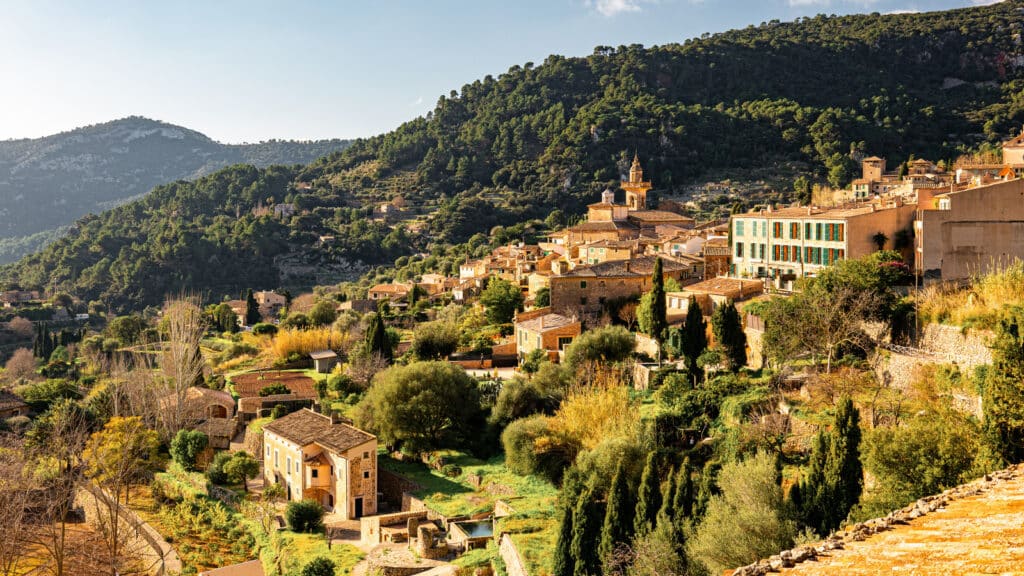
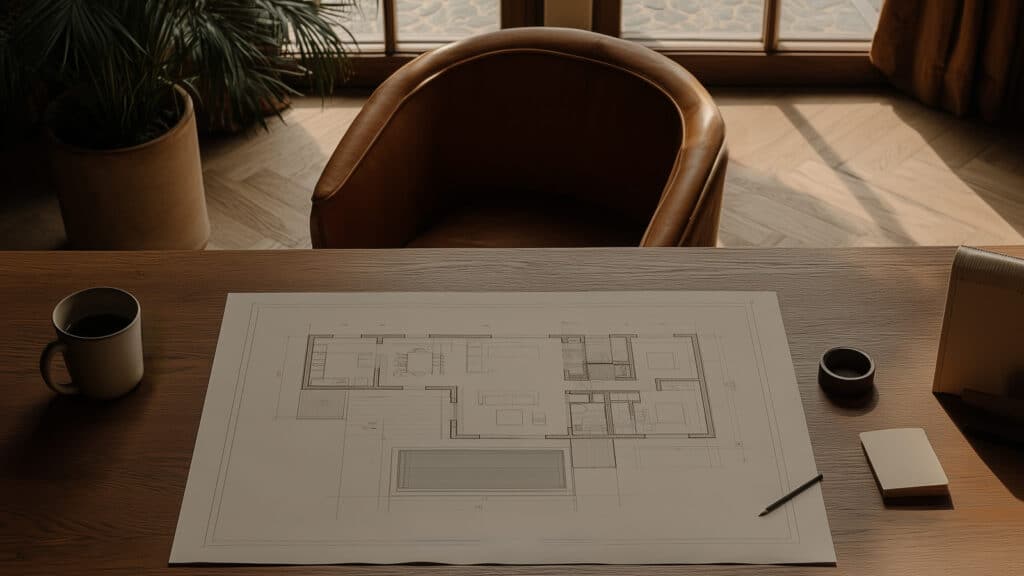
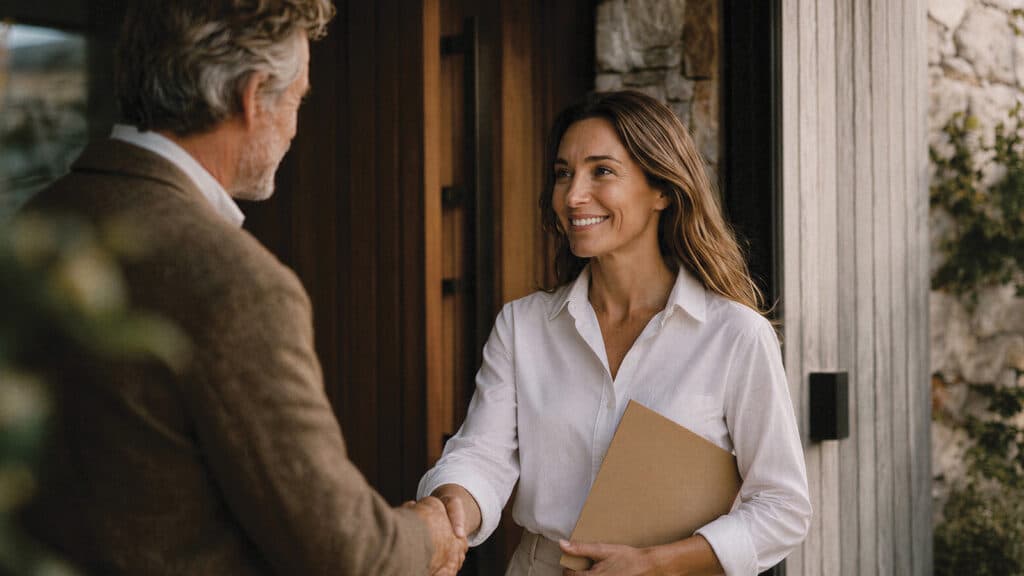
Residentially, Mallorca offers a spectrum of lifestyle options. From sea-view villas perched on rugged cliffs to rustic fincas nestled in the countryside and contemporary apartments in historic buildings, the housing landscape is as diverse as its residents. Palma remains a preferred choice for those who want urban amenities in a coastal setting, while towns such as Sóller, Deià, and Pollença appeal to those seeking a more tranquil, traditional atmosphere. The real estate market is dynamic and competitive, requiring prospective buyers—especially expats—to navigate it with care. Many begin with rentals while exploring neighborhoods, often with the support of property advisors who specialize in the island’s niche markets.
Wellbeing and family life
Health and longevity have taken center stage in Mallorca’s evolving identity. The island’s clean air, abundant sunlight, and proximity to nature make it a natural fit for a wellness-oriented lifestyle. Organic markets, yoga studios, and holistic retreats are commonplace. The local Mediterranean diet—abundant in seafood, vegetables, and olive oil—supports physical health, while local thought leaders such as Dr. José Hernández Poveda (longevity specialist) are redefining wellness by integrating modern medicine with traditional practices to create a blueprint for aging well.
For families, Mallorca delivers a high quality of life supported by a robust network of international schools offering curricula in English, German, French, Swedish, and Spanish. Parents are drawn to the opportunity to raise children in a safe, nature-connected environment. The island’s compact size ensures that outdoor activities—from sailing and hiking to art and music—are accessible and embedded in daily life. Cultural enrichment, linguistic diversity, and community values are strong pillars of the family experience here.
The outdoors sets the pace
Nature here isn’t scenery—it’s an active presence in daily life. The UNESCO-protected Serra de Tramuntana mountain range offers panoramic trails for hiking and cycling and changes colour with the hour, the sea is never the same shade twice.. The coastline, with its secluded coves and crystal-clear waters, is a playground for sailing, snorkeling, and swimming. Inland, rolling vineyards, almond groves, and sleepy stone villages invite exploration on horseback or bike. In winter, almond trees bloom with pale pink clouds, and by summer the vineyards stretch heavy with fruit. To live here is to live outside as much as in, letting the island’s landscapes set the pace for work, rest, and play.
Golf, food and wine
In addition, Mallorca has become golf destination too, offering over 20 top-tier courses that offer stunning Mediterranean landscapes. The island’s diverse terrain—coastal cliffs, rolling hills, and valleys provides a dynamic golfing experience suited to all levels. Golf Son Gual, near Palma, stands out for its championship-level course and exclusivity, while Club de Golf Alcanada in the north delivers technical play with panoramic sea views and a signature lighthouse backdrop. The Arabella Golf resort near the capital features three premium courses: Son Muntaner, known for its pristine conditions; Son Vida, the island’s oldest; and Son Quint, offering a modern, open layout. More than just a leisure activity, golf in Mallorca is part of a sophisticated lifestyle—blending sport, nature, and luxury. Whether you’re a seasoned player or a casual enthusiast, the island offers a refined and memorable golfing experience.
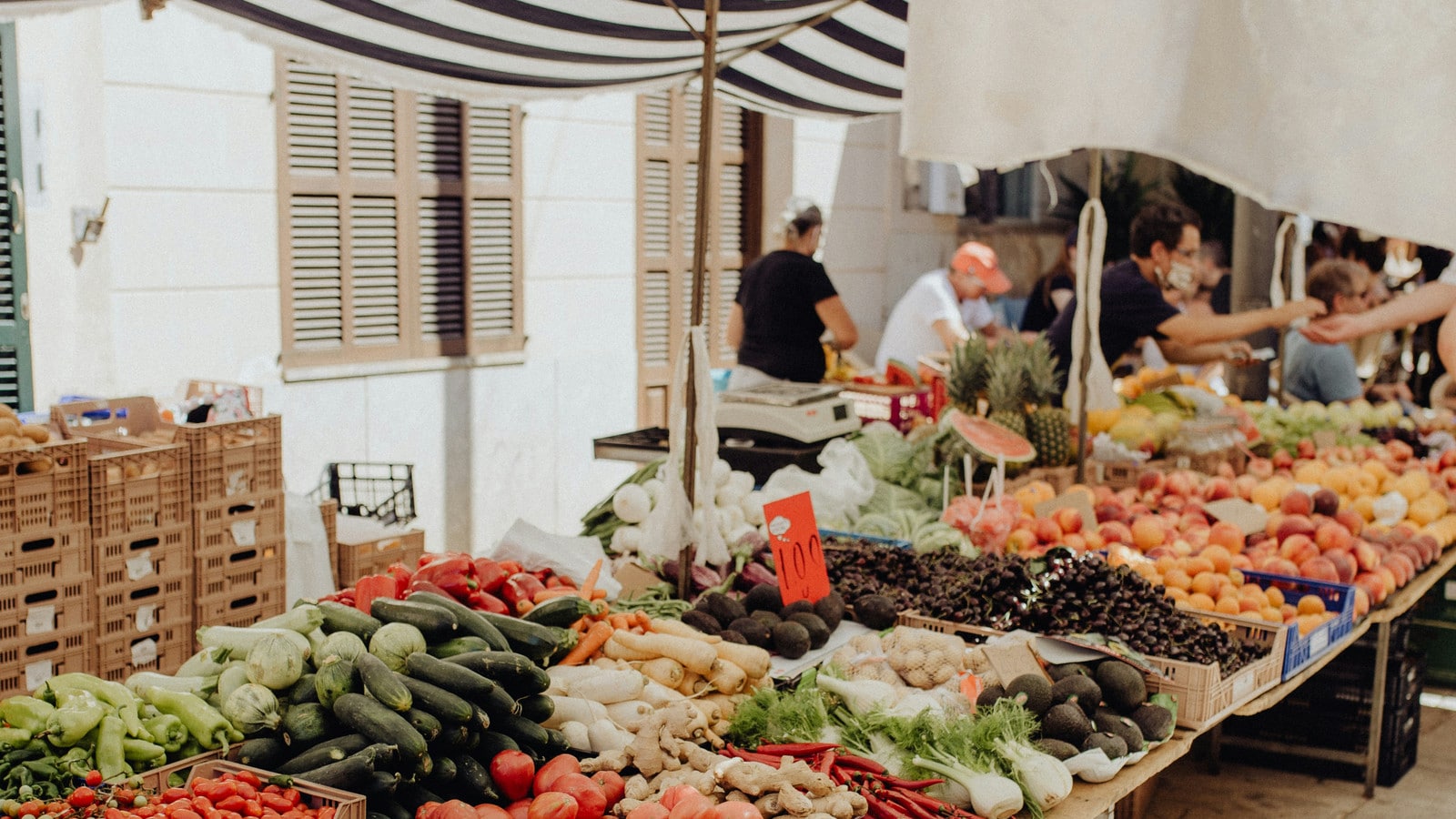
Culinary culture in Mallorca is thriving, seamlessly merging tradition with innovation. The markets are vibrant with local produce, while traditional dishes such as sobrasada, tumbet, and ensaimada remain beloved staples. Meanwhile, a wave of young chefs is reinterpreting local cuisine with global flair, resulting in a burgeoning gastronomic scene. Palma, in particular, has matured into a culinary destination, offering everything from contemporary fusion eateries to world-class fine dining. The wine industry is also flourishing, with Mallorcan reds, whites, and rosés earning growing recognition for their quality and terroir.
A more intentional life
Sustainability is no longer a fringe movement but a foundational value across the island. Residents and businesses are embracing green energy, zero-waste practices, and organic agriculture. Solar panels and water-saving systems are now standard in many new developments. Local brands are prioritizing ethical sourcing and environmental stewardship. This isn’t just about maintaining Mallorca’s natural beauty—it’s about fostering a way of life that is future-proof and deeply aligned with ecological responsibility.
Ultimately, what makes Mallorca extraordinary is not only its landscapes, architecture, or cuisine—but the way it makes people feel at home. Whether you were born here or arrived last year, there’s a sense of belonging that threads through daily life. Mallorca is not just a place to escape to; it is a place to build a life worth living. In 2025, it is less a holiday island and more a blueprint for intentional living—where old-world charm and modern values meet, and where lifestyle is not a luxury, but a philosophy.
In 2025, Mallorca has redefined what it means to live well. It is no longer simply a holiday destination; it is a model for intentional living, where old-world charm meets modern values, and where lifestyle is not a luxury, but a philosophy.