Mallorca, the crown jewel of the Balearic Islands, transcends its Mediterranean allure to reveal a highly segmented real estate market characterized by distinct micro-regions, each presenting a unique lifestyle proposition that attracts varied international buyer profiles. The island’s real estate ecosystem ranges from cosmopolitan urban hubs to rustic agrotourism retreats, reflecting the diversity of its clientele and underscoring the necessity to grasp its regional nuances to optimize investment and lifestyle decisions.
Palma and the southwest
At the core lies Palma, the island’s vibrant capital, serving as the cultural, commercial, and residential heartbeat. Palma’s gothic cathedral, upscale marina, boutique retail, and dynamic culinary scene foster a year-round cosmopolitan lifestyle that appeals to affluent professionals, digital nomads, and families. Surrounding suburbs such as Son Vida and Gènova complement this urban appeal with exclusive residential offerings. Son Vida, notably, is a high-security enclave renowned for its golf courses and sprawling villas, attracting predominantly German, British, Scandinavian, and increasingly North American buyers. The appeal here hinges on proximity to international schools, premium healthcare, and efficient connectivity via Palma airport, creating an ideal nexus of convenience and prestige.
Moving southwest, the region encompassing Calvià and Andratx embodies exclusivity, with enclaves like Puerto Portals, Santa Ponsa, and Port d’Andratx synonymous with luxury living, designer architecture, and yachting culture. This corridor consistently draws German, British, and Swiss ultra-high-net-worth individuals (UHNWIs), many owning second homes or high-value investment properties within gated communities and seafront estates. Santa Ponsa offers a family-friendly environment complemented by championship golf facilities, while Puerto Portals functions as Mallorca’s Monaco, frequented by superyachts, international elites, and seasonal residents. Investment properties here exhibit low market turnover and command premium valuations, particularly sea-view apartments and ultra-modern villas.
The Tramuntana and the northeast
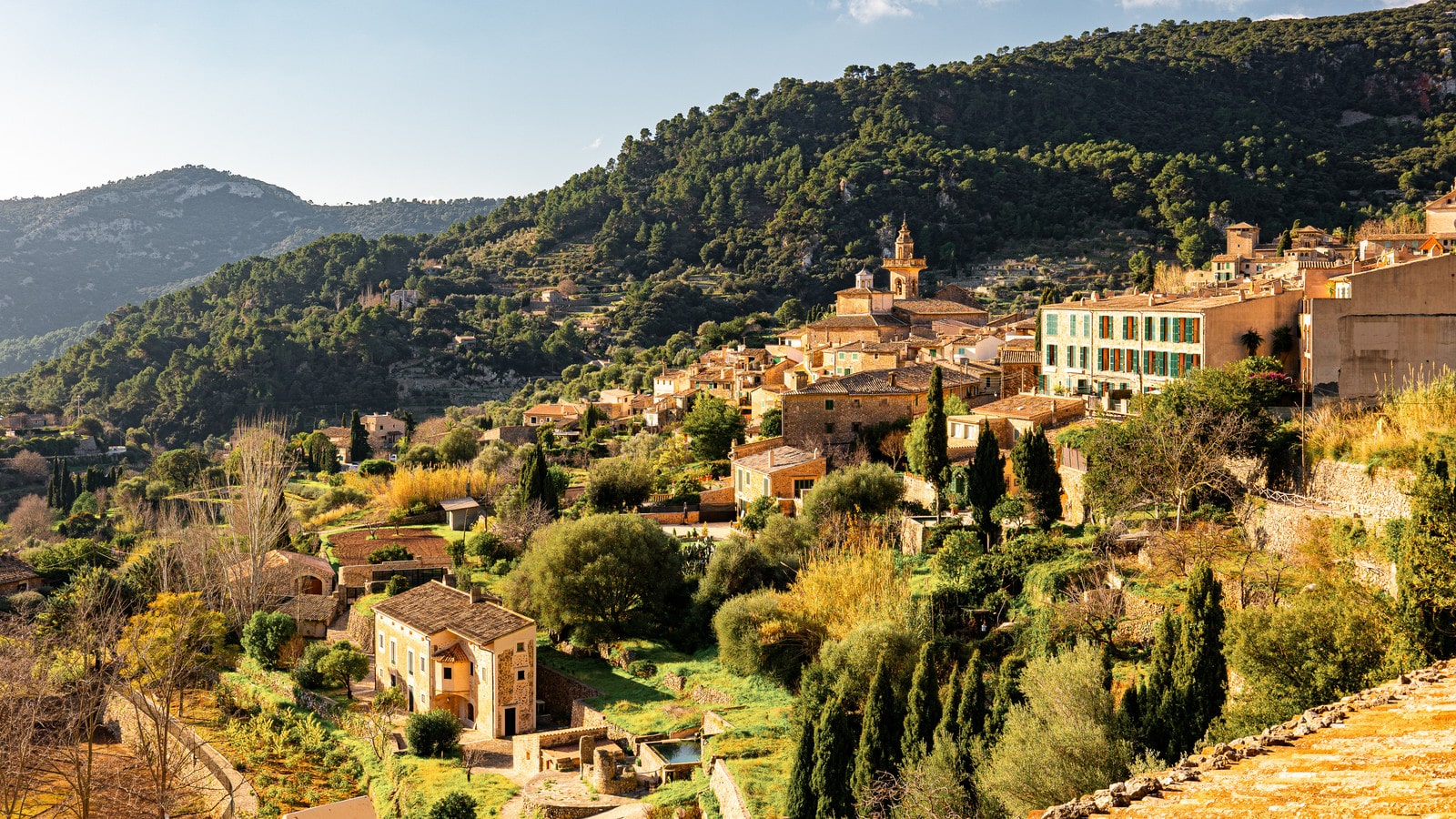
The northern and northwestern sectors, framed by the UNESCO-listed Serra de Tramuntana, provide a contrasting proposition focused on cultural authenticity, environmental conservation, and creative vibrancy. Towns like Sóller, Deià, Valldemossa, Fornalutx, Biniaraix, and Pollença attract a more understated, culturally engaged demographic. Deià, with its dramatic mountainside vistas, historically serves as a retreat for artists and writers and now increasingly draws American and British investors seeking stone-built, historically significant residences. Pollença and Port de Pollença are distinguished by their charming plazas, art scenes, and traditional festivities, appealing to British, Dutch, and Scandinavian buyers who often utilize properties as second homes or lucrative rental assets. Strict planning regulations here ensure the preservation of natural beauty and long-term asset value, marrying lifestyle with legacy.
The northeast region remains less developed and more discreet, gaining traction among buyers prioritizing privacy, rural elegance, and untapped potential. Historic towns like Artà and Capdepera, alongside beachside locales such as Canyamel, offer a compelling blend of natural parks, medieval heritage, and emerging boutique developments. German nationals dominate interest in this area, drawn by its serene pace, relative affordability compared to the southwest, and authentic rural character. Increasingly, Swiss, Austrian, and Nordic investors are establishing footholds, investing in countryside estates, restored fincas, and boutique hospitality ventures. This micro-market is particularly suited to semi-retired buyers or couples seeking lifestyle properties with promising capital appreciation.
Central and southeast Mallorca
Central and southeast Mallorca, including Santanyí, Ses Salines, Campos, Manacor, Algaida and Alaró, represent an under-the-radar opportunity undergoing a renaissance. These inland territories provide expansive land parcels, traditional stone architecture, and a slow-living ethos resonant with post-urban luxury buyers. Santanyí has emerged as a refined design and art nucleus, attracting German, French, Dutch, and Belgian buyers, alongside younger, design-conscious British and French investors. Inland areas such as Campos and Manacor appeal to agricultural and hospitality developers capitalizing on agrotourism trends. Large fincas are being transformed into boutique wellness resorts and eco-retreats, aligning with sustainability values and the demand for privacy.
Choosing by region
Mallorca’s segmented regions function as distinct micro-markets, each offering tailored value propositions aligned with specific buyer motivations and long-term lifestyle ambitions. From the liquidity and prestige of the southwest to the conservation-focused northwest and the discreet investment potential of the northeast and central zones, recognizing these nuanced dynamics is essential. Whether targeting yield generation, legacy planning, seasonal retreats, or permanent relocation, a granular understanding of the psychographic and nationality-based buyer profiles within each region is pivotal for strategic positioning in Mallorca’s competitive luxury real estate market.
Due to the intricate and highly localized nature of urban planning regulations across these regions, it is imperative to consult a qualified real estate agency with proven expertise in the Mallorcan market. Missteps in navigating these regulations can lead to serious — and in some cases, irreversible — legal and financial consequences.